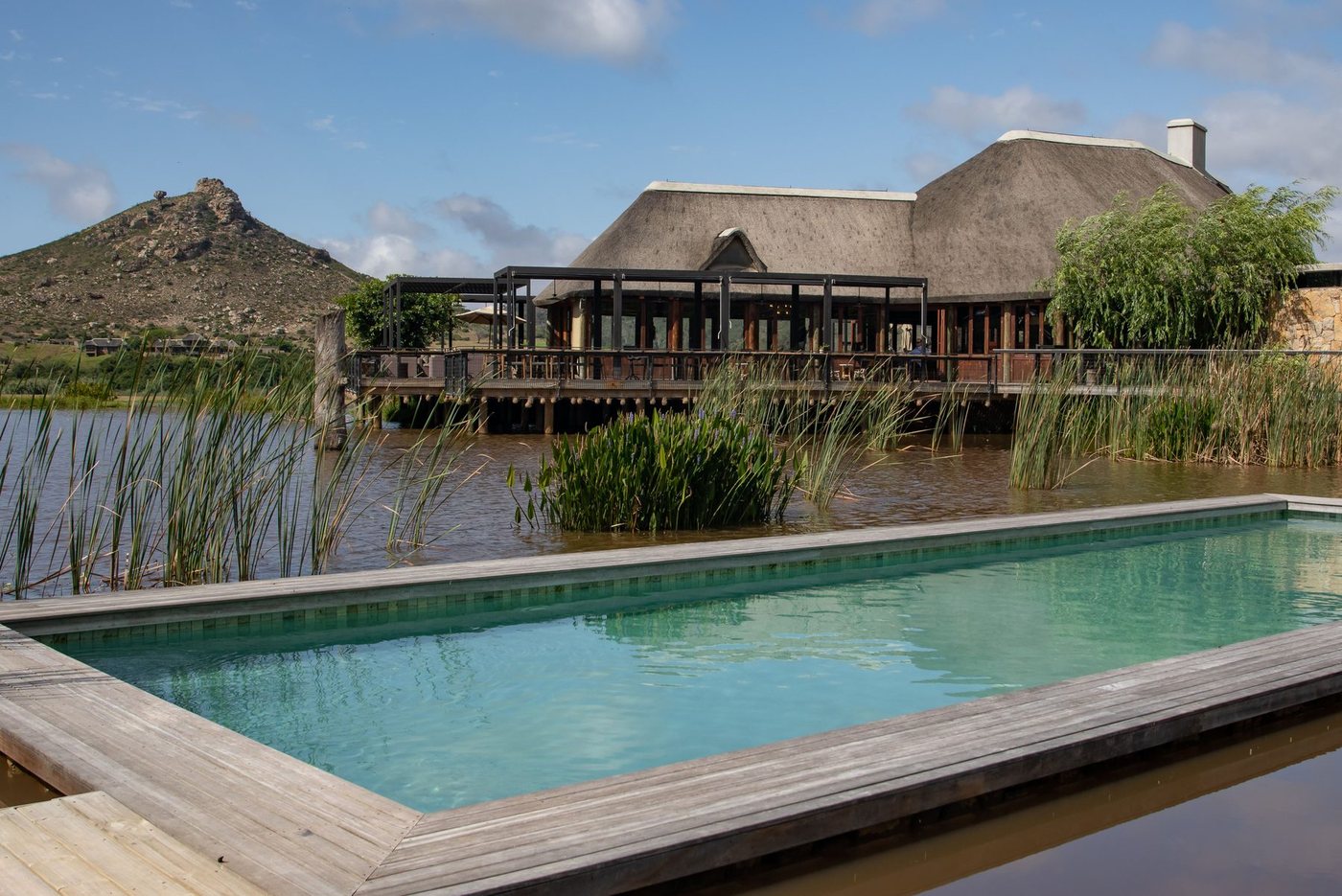
A commercial pool has higher use, formal site management and less tolerance for unplanned closure. Design and maintenance need clear records and accessible plant.
Different properties need different systems
A hotel pool, school pool and residential tower pool do not operate in the same way. Bather load, opening hours and user profile change water treatment demand. Rooftop exposure and indoor humidity also affect the system.
The service scope should start with the property type and operating pattern. A quiet private club may need a different maintenance approach from a busy family hotel. Generic villa settings are not suitable for every commercial pool.
Design and construction coordination
Commercial swimming pool construction connects with structural, mechanical and electrical work across the building. Plant rooms, drainage and service routes need coordination with the wider project. Access after handover is as important as access during construction.
The pool edge, changing areas and surrounding deck should support cleaning and safe movement. Water elements and children's areas create separate circulation needs. The design should allow each system to be isolated for service.
Water treatment and circulation
Higher use changes water chemistry quickly. Automatic dosing and continuous monitoring may be appropriate where the pool operates for long periods. Sensors still need calibration and physical testing.
Circulation should reach steps, corners and shallow areas. The plant needs enough filtration capacity for the expected use. Poor circulation cannot be corrected by adding more chemical. The hydraulic layout and treatment plan need to work together.
Plant-room access and safety
Commercial plant rooms should have clear walkways, drainage and ventilation. Chemical dosing areas need separation from unrelated equipment. Valves and electrical controls should have labels that match operating records.
Service staff need access to filter lids, strainers and dosing lines. Equipment packed too tightly may meet the drawing but remain difficult to maintain. A practical layout reduces the chance of bypassed checks or accidental valve changes.
Maintenance records
Managed pools need consistent records. Water readings, filter pressure and corrective action should be logged in a format the property team understands. Gaps make it harder to identify trends and explain a water-quality problem.
Maintenance records should connect with equipment service history. Repeated pump trips or rising filter pressure may show a developing issue. A clear record supports planned repair rather than waiting for a failure during operating hours.
Rooftop and podium pools
Rooftop pools face sun and wind. Evaporation, dust and disinfectant loss can be high. Plant access may be through service lifts or restricted building routes, which affects repair planning.
Podium pools sit above occupied space. Waterproofing and drainage need close attention. A small leak can affect ceilings or parking below. Repeated patching may hide a wider membrane issue, so the source should be tested carefully.
Saunas and steam rooms in commercial sites
Gyms, hotels and residential buildings often include a sauna or steam room beside the pool. These systems run more often than private facilities. Ventilation, generator flushing and daily cleaning need a commercial routine.
Steam-room grout, door seals and drains should be checked alongside the generator. Sauna heaters, timber and ventilation need their own inspection. Combining the site visit is useful, but the maintenance method should remain specific to each system.
Repair and refurbishment
Commercial pool repair needs coordination with building management and users. A clear fault diagnosis limits unnecessary closure. Pumps, filters, dosing systems and lighting may be repaired separately when the rest of the pool remains sound.
Refurbishment is useful where finishes and plant have aged together. The scope can update tile, waterproofing, lighting and water treatment. Essential compliance and repair work should be separated from decorative changes so the property team can plan decisions clearly.
Working with the property team
The property manager, maintenance team and pool contractor need one current valve and equipment record. Conflicting instructions can lead to dosing changes or isolation of the wrong circuit.
A contact route for urgent faults should be defined by the building. The service page does not replace the site operating plan, but it helps the property team identify the right technical scope.
Access, shutdowns and handover information
Commercial work should identify service routes, isolation points and the person responsible for site access. Plant rooms in towers may sit several levels away from the pool. A repair plan should account for that route before equipment is moved.
Handover information should record valve positions, control settings and equipment references. This gives the property team a current baseline and reduces confusion after staff changes.
Related pool and wellness information
Read more about shared pool water quality, pool maintenance scope, pool services in Dubai Marina and swimming pool maintenance.
Questions about commercial swimming pool services in dubai
How is commercial pool maintenance different from villa maintenance?
Commercial pools usually have higher use, more formal records and more complex plant. The routine needs to match operating hours and property management requirements.
Can a commercial pool stay open during repair?
Some local equipment repairs can be isolated, but water-quality or safety faults may require closure. The decision depends on the fault and the site system.
Do rooftop pools need different maintenance?
They often face stronger wind, dust and sunlight. Access and plant ventilation can also be more restricted.
Should sauna and steam maintenance be included with the pool?
They can be coordinated under one site plan, but each system needs its own cleaning, ventilation and equipment checks.
Preparing a clear enquiry
For commercial swimming pool services in dubai, useful information includes the property area, photographs and a short description of the current condition. Equipment labels or an existing drawing can also clarify the scope.
The enquiry should identify the main problem or goal without assuming the solution. A site review can then separate related work from items that do not need changing.